90% of “where to eat” decisions in Quito start with a photo on your cell phone: Instagram, Google Maps, delivery apps. If that photo looks bad, the customer has already chosen the restaurant next door. Professional gastronomic photography is not an image expense, it is the asset with the best return in all of a restaurant’s marketing.
In 30 seconds: a professional photo increases the average restaurant ticket between 15% and 30%, generates 42% more requests for directions on Google and fuels weeks of content for networks. The key is to invest once, in a planned way, instead of paying for the establishment’s digital reputation with obscure photos.
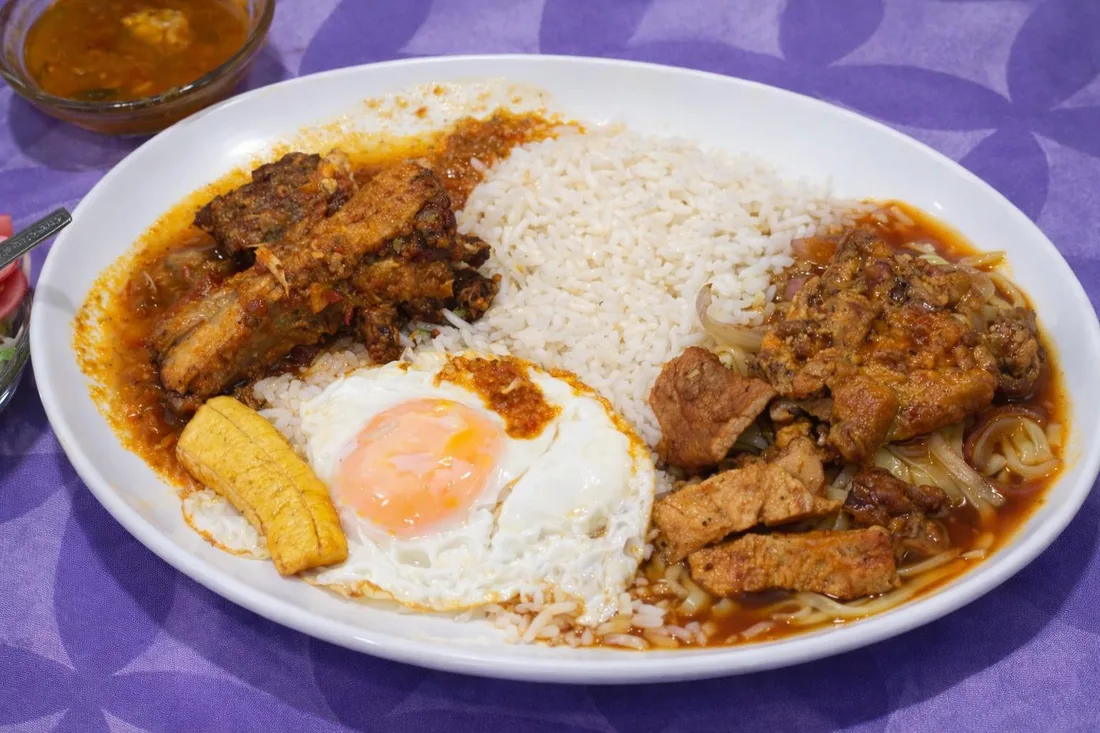
A photo like the one above is not decoration: it is your restaurant’s first salesperson. Below we show you where the return is and how to plan it.
1. Your Google Business listing lives or dies by photos
Google prioritizes profiles with recent, quality photos, and the user decides in seconds. A profile with professional photos of the dish, the atmosphere and the equipment generates more clicks to “how to get there” than one with poorly lit cell phone photos.
The data is compelling: according to Google, businesses with photos on their Business listing receive 42% more requests for addresses and 35% more clicks to their website. But not just any photo: high-resolution, well-lit images that show the dish in an attractive way are those that generate real engagement.
A very common mistake in restaurants in Quito is to upload the first photo that comes out of your cell phone after preparing a dish. No proper lighting, no composition, no thinking about the angle. The result is a photo that not only does not attract — it actively repels. Google Maps users scan photos quickly and make decisions in less than three seconds. If the first photo they see looks dark, out of focus, or has dull colors, they move on to the next restaurant.
Food photography should represent each dish faithfully and match what diners will actually receive.
The specific recommendation: your Google Business listing should have at least 30-50 high-quality photos, updated at least once a month. This includes photos of main dishes, the ambiance of the venue, the facade, the equipment and, if applicable, special events or seasonal dishes.
2. Delivery apps: the photo IS the product
In Uber Eats, Rappi and PedidosYa the customer never sees or smells the dish — only the photo. Restaurants that invest in a professional shooting of their menu raise the average ticket, because a well-lit photo sells the most expensive dish on the menu without anyone pushing it.
This has a simple psychological explanation: in an environment where the client cannot smell or taste, the photo is the only sensory stimulus available. A plate of ceviche with a flat, dull photo generates the same response as a plate without a photo. But the same ceviche with a photo showing the freshness of the fish, the brightness of the leche de tigre and the vibrant colors of the garnish activates an emotional response that leads directly to “add to cart.”
The impact on the average ticket is real: restaurants that renew their photos in delivery apps report increases of between 15% and 30% in the average order value. Because? Because a good photo allows you to sell the most expensive dishes on the menu. The customer who sees a professional photo of the signature plate instead of a dark photo of the cheaper plate tends to choose higher-priced options.
A practical tip: when you do a gastronomic shooting for delivery apps, include photos of the dish both “in context” (on the table, with cutlery, with a drink next to it) and “close-up” (showing textures, ingredients, assembly details). Both types work well on different platforms.
3. Instagram and TikTok need a content bank, not single photos
Publishing well and often requires a bank of photos and videos with volume: a session of 10 photos every six months is not enough. A well-planned gastronomic shoot yields weeks of content for reels, carousels and stories.
A food photography session requires coordination between preparation, lighting and service timing.
The key is in planning prior to the shooting. Before taking out the camera, we must answer specific questions: how many dishes are we going to photograph? What type of content do we need for the next 4-6 weeks? Which dishes are stars and which ones need more visibility? Are there any special seasons, events or releases we should look forward to?
A professional gastronomic shooting for social networks should generate at least:
- 15-20 photos of dishes (each dish from at least 2 different angles)
- 5-10 short process videos (15-30 seconds for Reels/TikTok)
- 5-10 atmosphere photos of the restaurant
- 3-5 photos “behind the scenes” of the kitchen team
- Raw ingredient photos for “where your dish comes from” content
With that volume of content, you can maintain an active presence on social networks for 4-6 weeks without the need for another shooting. And when that material runs out, you plan the next one with seasonal dishes.
4. Brand consistency across channels
Printed menu, web, networks, delivery apps: if each channel has photos of different quality and style, the restaurant looks improvised. Professional photography with the same art direction makes the brand feel strong at any touch point.
Visual consistency is one of the most underrated factors in restaurant marketing. When a customer sees your restaurant on Instagram and the photos have a warm, dark style, then goes to your website and the photos are cold and saturated, and then searches for you on Uber Eats and the photos are completely different — the perception is one of improvisation, not professionalism.
Food photography can produce assets reused in menus, map listings and advertising.
Consistent art direction includes: consistent color palette, consistent lighting (always the same color temperature), similar shooting angles, and a staging style that reflects the restaurant’s personality. A fine dining restaurant is not photographed in the same way as a spicy restaurant or a casual cevicheria.
This doesn’t mean that all photos look the same — it means that they all look like they come from the same place. That consistency is what builds long-term brand recognition.
Edge Marketing Agency Real Job
Dishes photographed by our studio for clients from Quito and Ecuador, with own art direction per local:
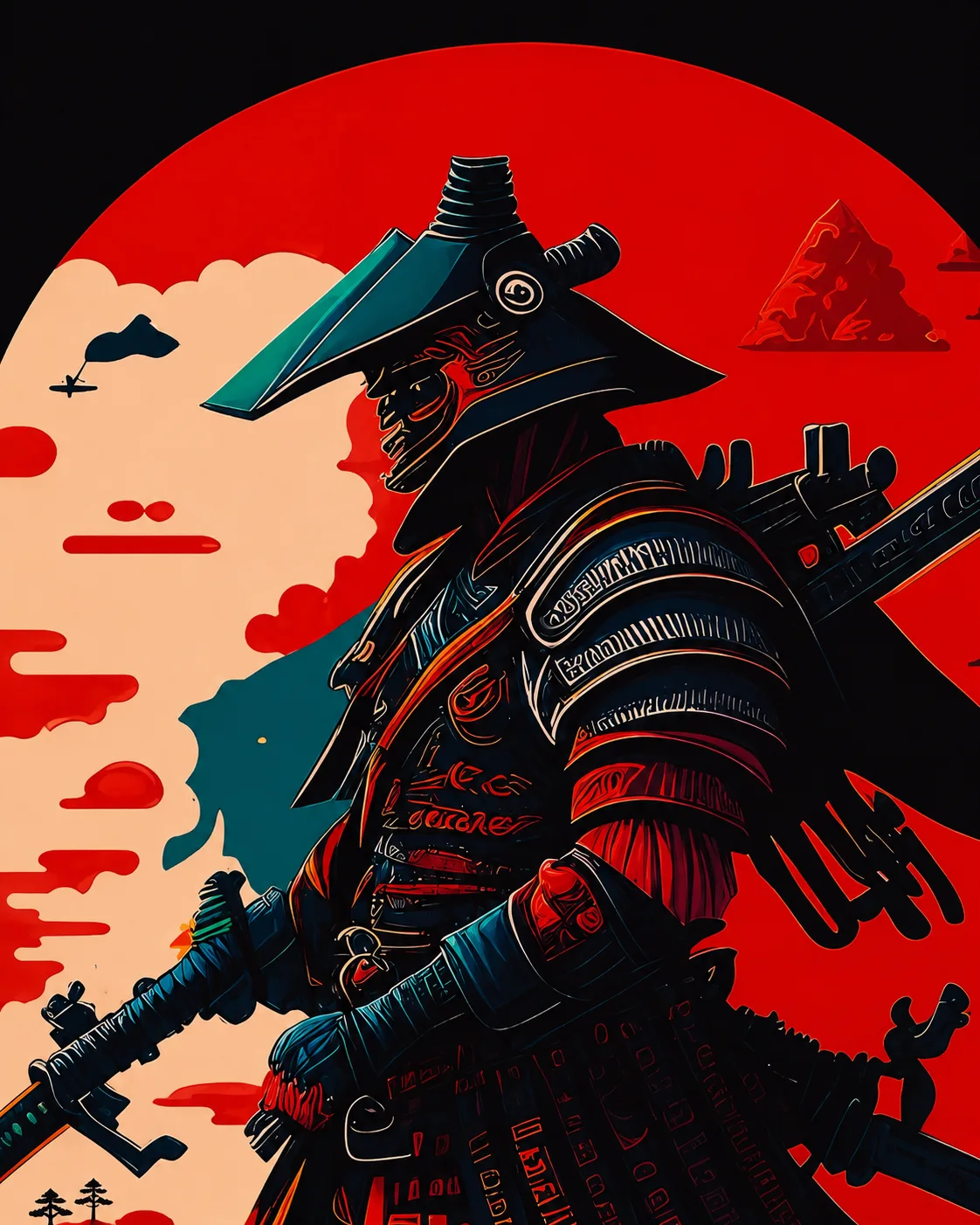
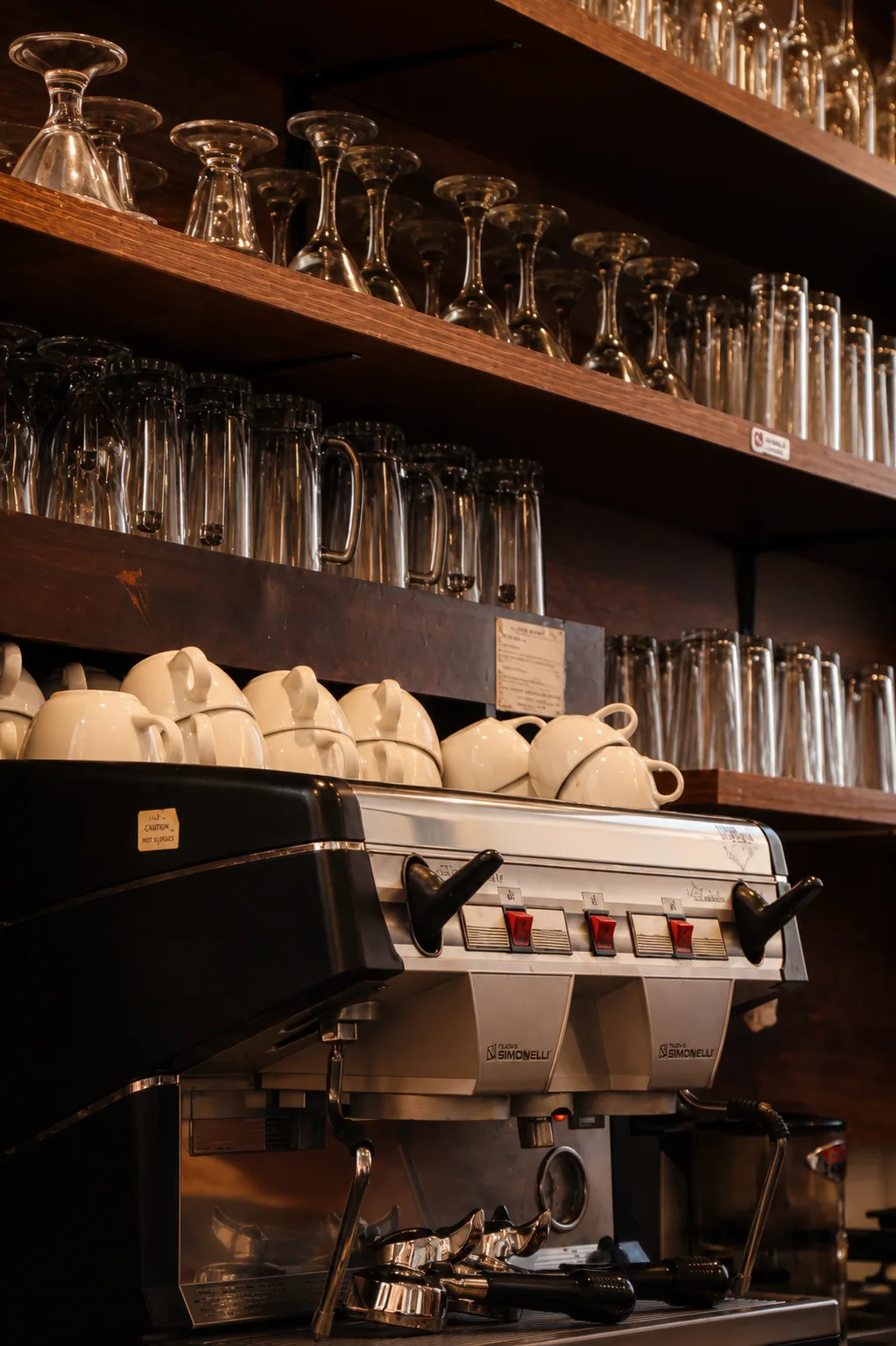
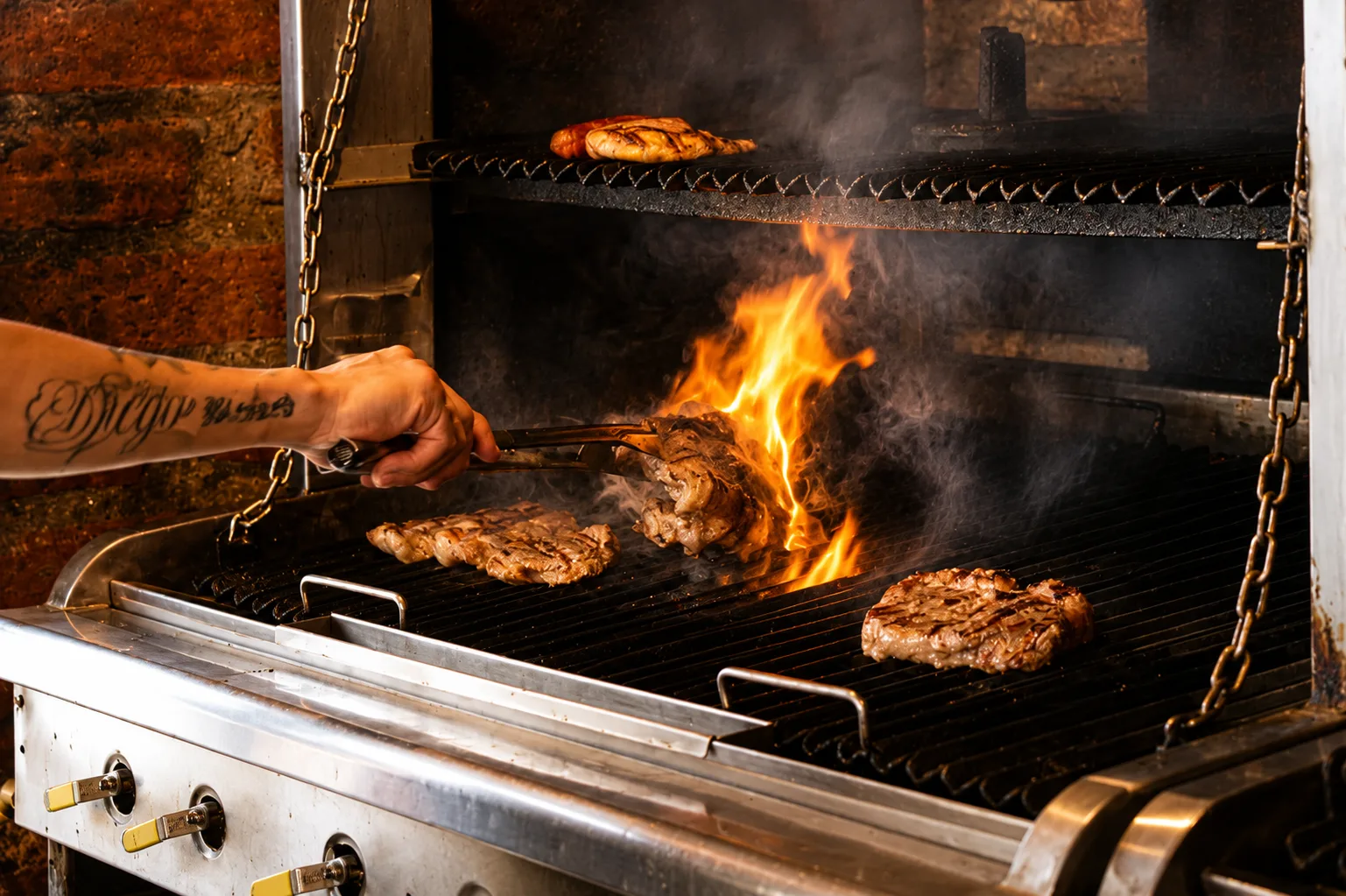
To evaluate food photography, ask whether the images help customers choose and order.
Each session is planned with a sales objective behind it (Google Business, delivery or networks), not as a loose decorative photo.
5. Behind-the-scenes content that humanizes the brand
In addition to the finished dish, the cooking process—hands preparing, fire, assembly—is the type of content that works best on reels. The same shooting can cover both a product photo and a process video.
“Process” content has a particular psychological power: it generates anticipation and emotional connection. When the customer sees the chef cutting a fresh fish, the sous chef plating a ceviche with pinpoint precision, or the team celebrating when a perfect dish comes out — that creates a human narrative around the brand.
The engagement data on Instagram is clear: reels of the gastronomic process receive between 40% and 60% more views than static photos of finished dishes. And most importantly: this content generates more saves, which is the metric that weighs the most in the Instagram algorithm.
A well-planned shooting includes specific time to capture these moments. It’s not about filming the entire kitchen service — it’s about identifying the 3-5 most visual moments of the process and capturing them with professional quality.
Professional food photography should preserve texture and color without misrepresenting the dish.
6. Network interactions also decide for the client
Before booking, the customer doesn’t just look at the photos: they check comments, responses from the business, and how active the account looks. An Instagram with good photos but no interaction (unanswered comments, last post from a month ago) generates the same doubt as an empty store during rush hour. Responding to comments and DMs quickly, and maintaining a curated digital presence—consistent feed, active stories, attended reviews—is what turns that good photo into a real booking. Photography opens the door; The interaction and constant care of the account close the decision.
Interaction management also includes responding to reviews on Google. A restaurant that responds to all reviews — positive and negative — builds significantly more trust than one that ignores them. Studies show that 89% of consumers read businesses’ responses to reviews, and that a well-managed response to a negative review can turn a detractor into a brand advocate.
Common mistakes you should avoid
- Photos with direct flash: destroys textures and generates unnatural reflections. Always use diffused natural or artificial lighting.
- Photos with the cell phone tilted: the angle should always be intentional. A 45° angle works for most dishes; An overhead angle (from above) works well for shared tables and flat lays.
- Do not include table context: the plate is only seen as an “object”. With a glass of wine, a napkin or a table background, a complete experience is sold.
- Outdated photos: if the menu changes and the photos do not, the customer arrives expecting something that no longer exists. Update photos every time you change the menu.
- Ignore lighting: natural light is your best friend. If your restaurant has good natural light, schedule the shooting for when that light is available.
Photography + strategy, not single photos
At Edge Marketing Agency we integrate visual production into the restaurant’s marketing strategy: the photo session is planned together with the content calendar, Google Business and Ads campaigns, so that each photo has a sales objective behind it. If we already work with you on marketing para tu restaurante, photography is the next logical step. Conversemos por WhatsApp.
Food photography is not an expense — it is an investment with measurable return. Each photo professional works 24 hours a day, 7 days a week, on every platform where your restaurant appears. The question isn’t whether you can afford a professional photo shoot — it’s whether you can afford to continue competing without one.
To complement your visual strategy, optimize your Google Maps listing with our guía de Google Business Profile para restaurantes and check out how llenar mesas un lunes en Quito.